WANT TO LEARN MORE?

Jewell Nursing Solutions is committed to providing resources to meet your specific needs.

If you don’t see what you’re looking for below, please let us know.

How To Stop Bedsores

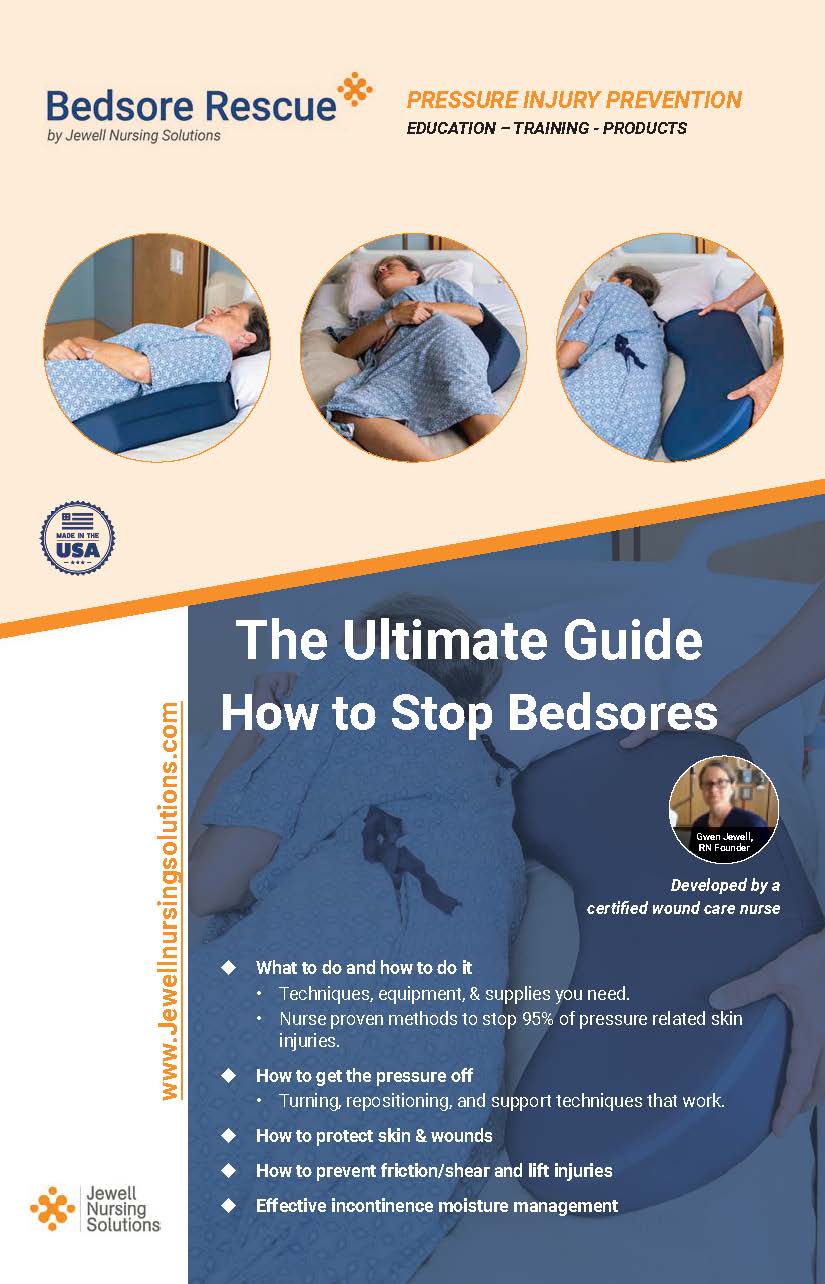
Most caregivers, even ones with formal clinical training, are never given the best practice methods for exactly what you need to do to stop pressure injuries: Written by our nurse founder, Gwen Jewell, this quick reference guide will save you hours of time and the frustration of trying to figure everything out. Includes techniques for turning and repositioning, guidance on product selection, and how to trouble shooting common complications that may come up. Your success is our success!

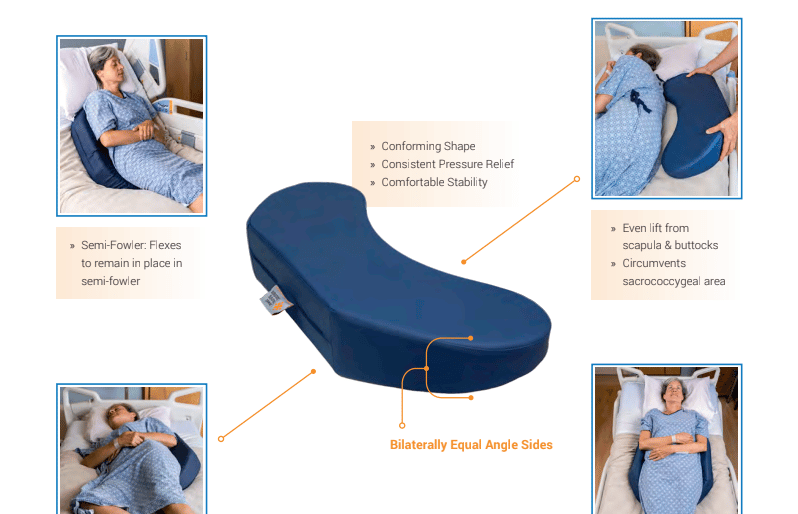
Brochure for The Bedsore Rescue Backbone 30 Positioning Wedge Cushion

Detailed information to guide medical facility clinical product selection committees. Includes design features & benefits, specifications, warranties, clinical information. Please call or write support@JewellNursingSolutions.com for facility pricing information.

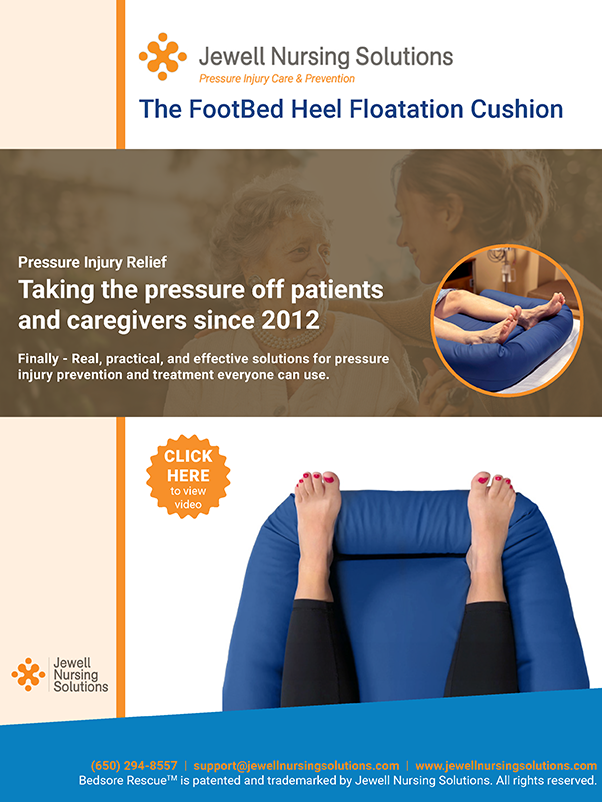
Brochure for The FootBed Heel Floatation Cushion

Detailed information to guide medical facility clinical product selection committees. Includes design features & benefits, specifications, warranties, clinical information. Please call or write support@JewellNursingSolutions.com for facility pricing information.

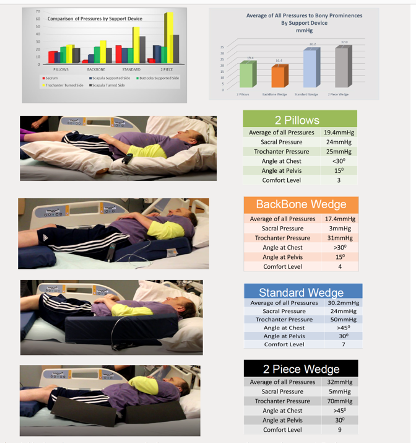
Poster: Pressures To Bony Prominences While Patient Is Supported In Lateral Turned Position

The true pressures exerted on bony prominences when a patient is supported by a cushion or pillow in a lateral turned position is not well explored. In this study we measured support pressure on the sacrum/coccyx, greater trochanter and scapula of 4 of the most common positioning support device designs.

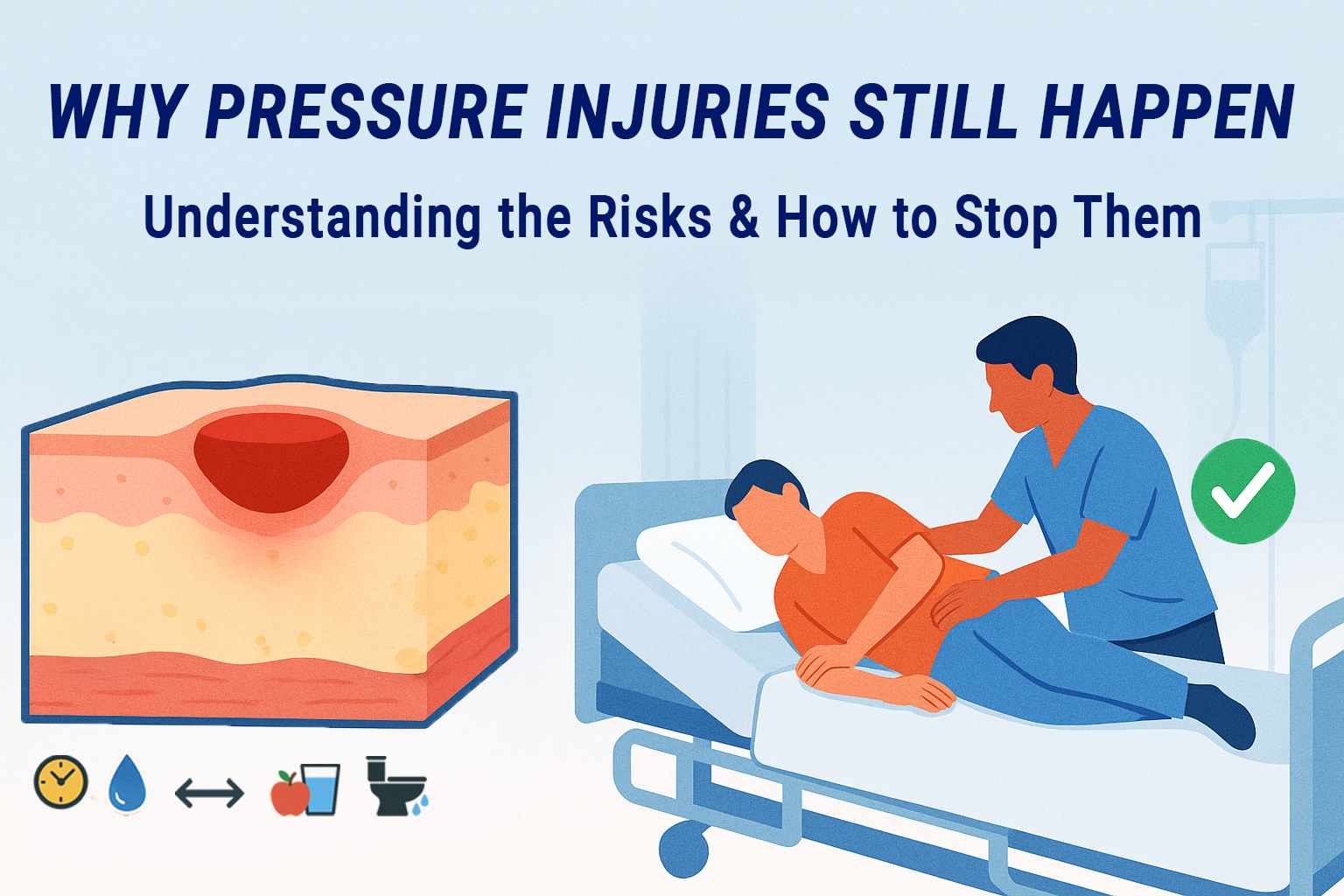
WHY PRESSURE INJURIES STILL HAPPEN Understanding the Risks and How to Stop Them

This practical guide explains the real causes of pressure injuries, both health-related and environmental, and why they remain one of the most challenging hospital-acquired conditions. It covers the history of caregiving, common risk factors, and the crucial role of bedside caregivers in prevention. You’ll also learn evidence-based standards of care, turning and repositioning techniques, and practical tools to protect patients and improve outcomes.